Technical articles & reference tables.
Articles on PPR and PVC pipe systems.
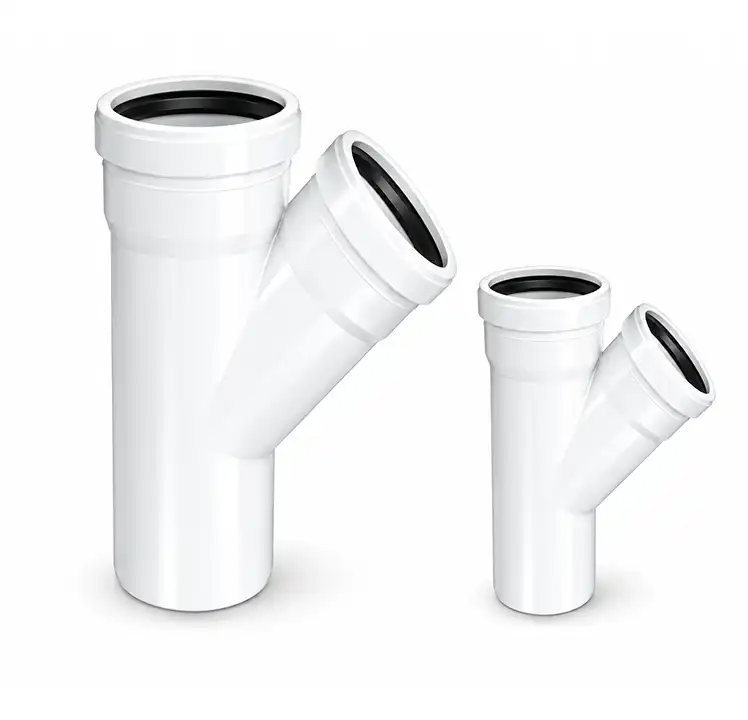
PVC Drainage Pipe Installation: Slope, Joints and Common Mistakes
How to install PVC waste water pipe correctly: plan the slope from your project specification (our catalogue publishes no slope value), choose the right branches and access fittings from the 50-160 mm range, and avoid the mistakes that cause leaks and blockages.
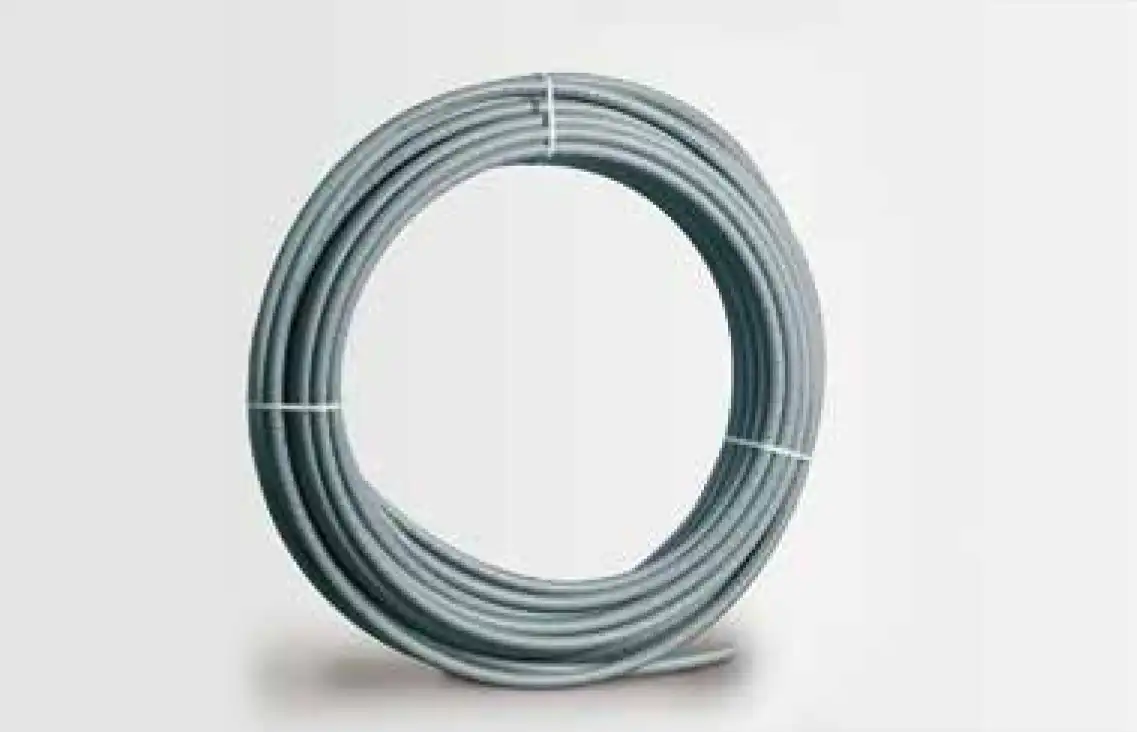
PB Pipe vs PPR-C Pipe: Which One Should You Choose?
PB pipe vs PPR-C pipe, compared on published range data only: sizes (PB pipes 15, 22 and 28 mm; PPR-C Ø20–110 mm), joining (push-fit vs polyfusion welding at 260 °C), pipe forms and pressure classes — and the checks to run before you specify.
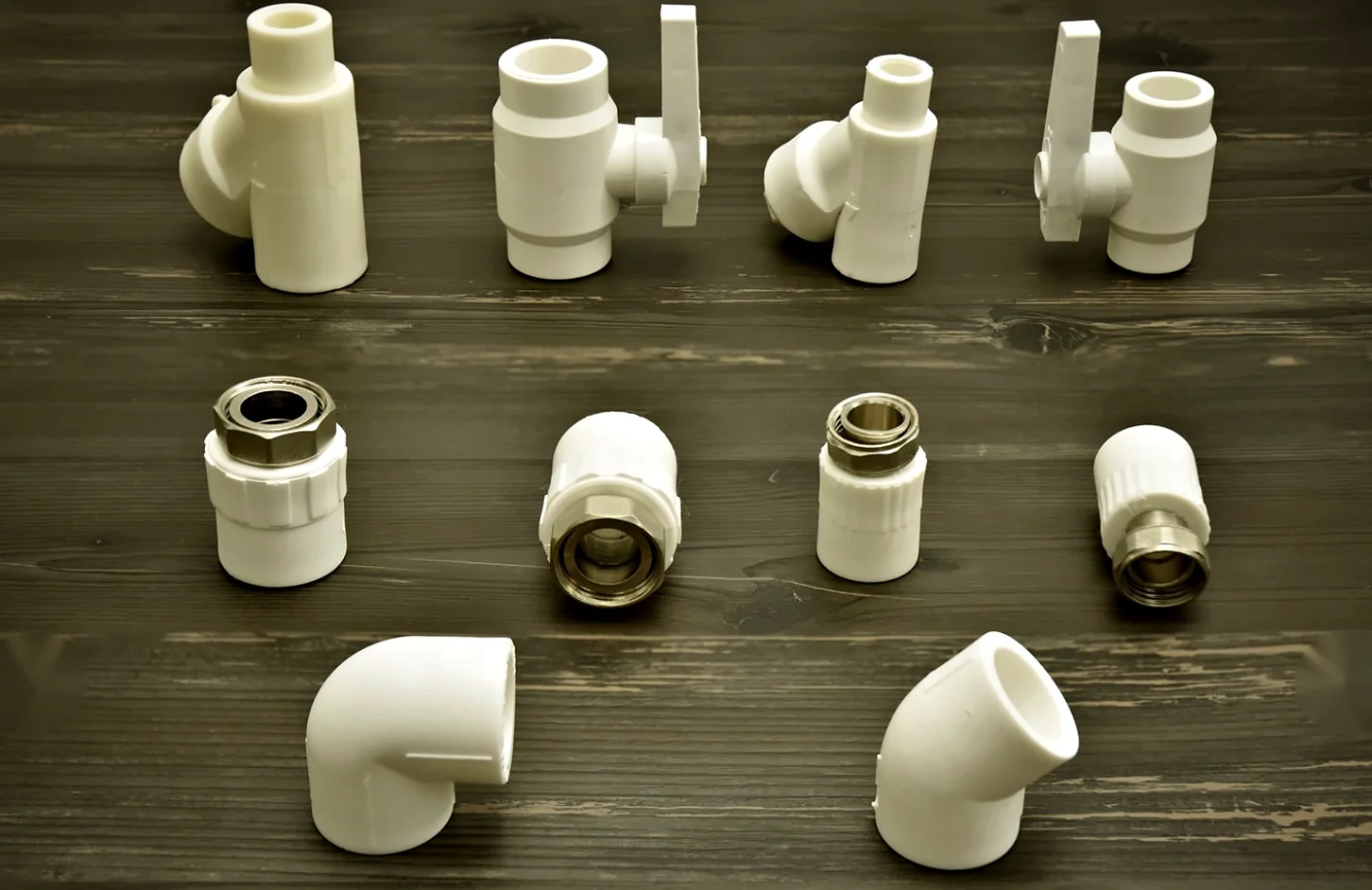
PPR Pipe Welding: Heating Times, Temperature and Step-by-Step Polyfusion Guide
PPR pipe welding time chart (Ø16–75 mm): insert depth, heating, processing and cooling times at 260 °C ±10 °C, six welding steps, common mistakes and how to check a joint.
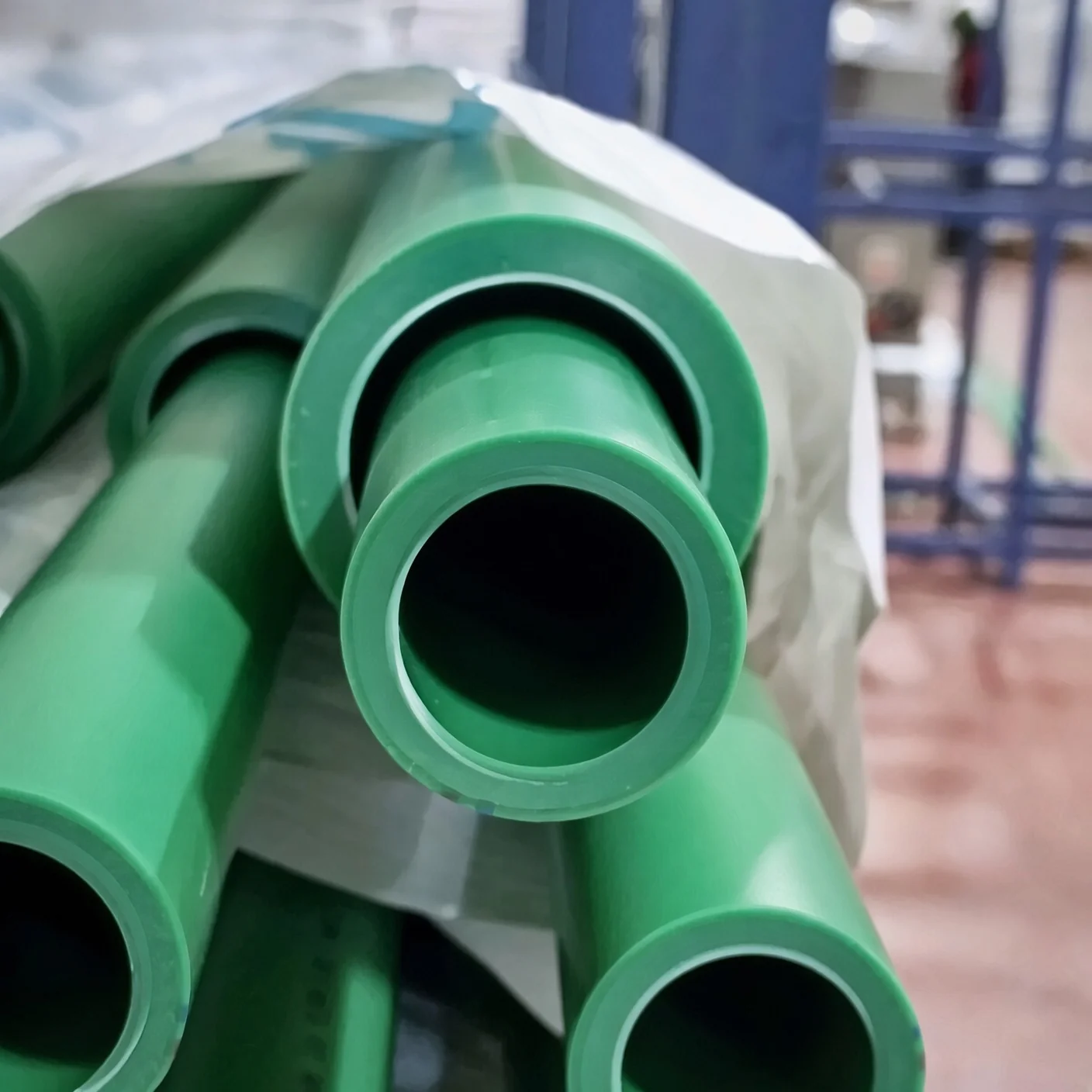
PPR Pipe Pressure Classes PN16, PN20 and PN25: Which One to Choose
PPR pipe pressure classes PN16, PN20 and PN25 explained: wall thickness by diameter (Ø20–110 mm), temperature and pressure limits, and a selection checklist.
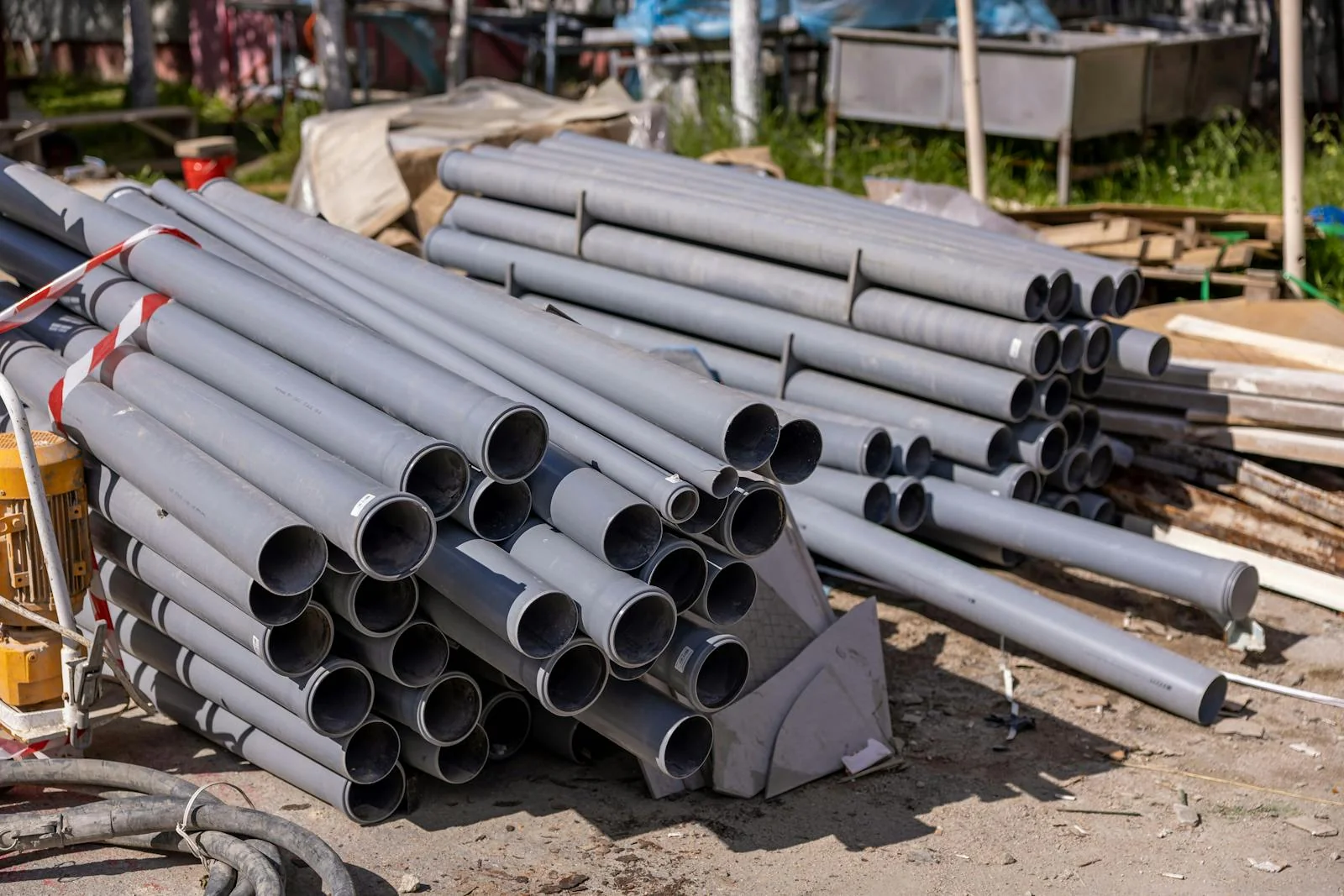
Advantages and Disadvantages of PVC Pipes: When to Prefer Them
PVC pipes are lightweight, corrosion-resistant and economical. Their limits: heat, UV, pressure and shock, and some chemicals.
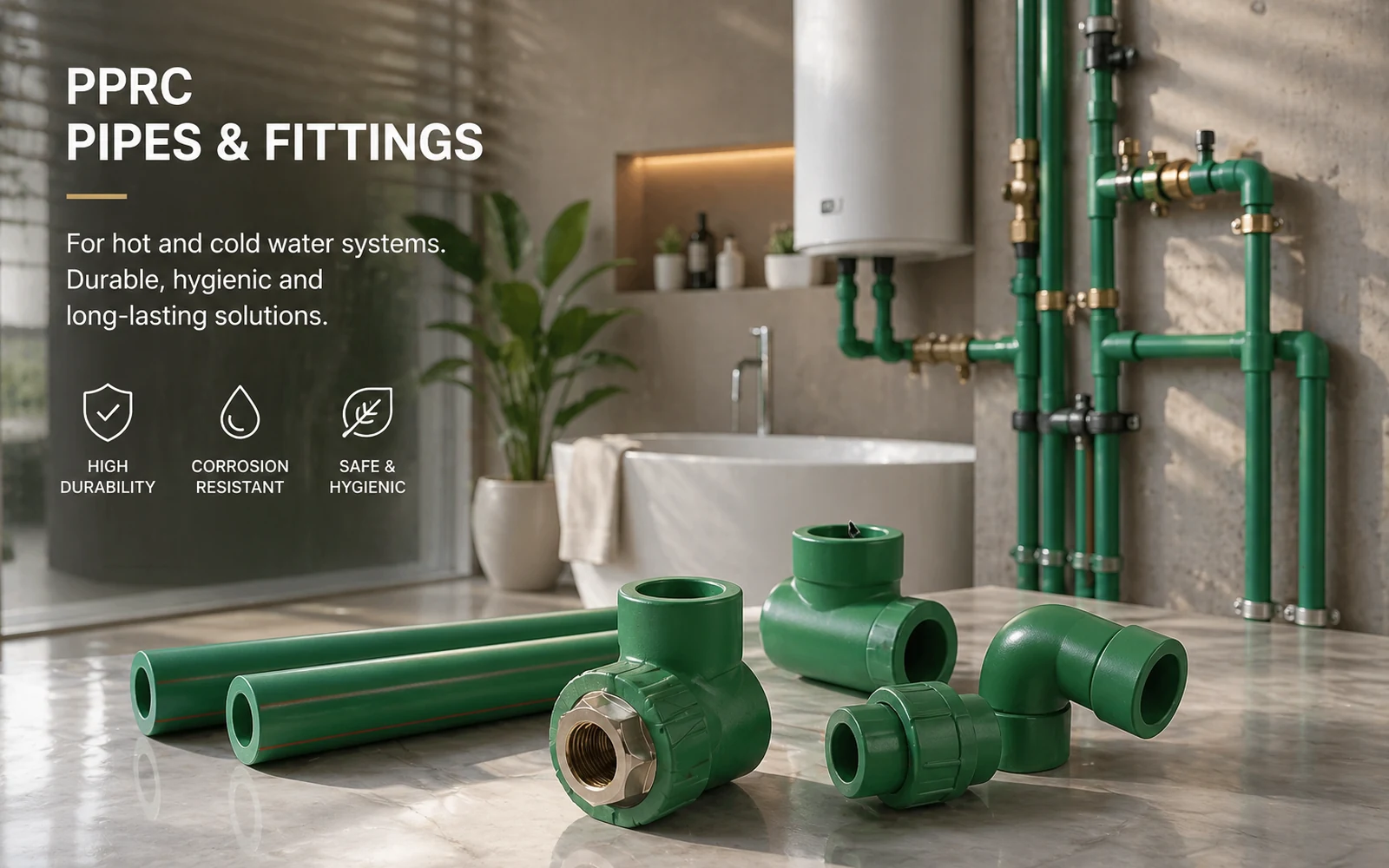
Key Features and Applications of PPR Pipes
PPR (Polypropylene Random Copolymer) pipes: heat and pressure resistance, long life, chemical resistance. Limits: UV, high pressure and sudden temperature changes.